
Uses of tannins
Uses and Apllications of tannins
Application of tannins in various industry
Currently, hydrocarbon-based raw materials are exploited in different petrochemical industries ranging from fuel to cosmetology. It leads to the widespread deficiency of raw material eventually that creates high inflations, environmental degradation, and adverse effects on human and animal health. This necessitates to explore new alternative natural biopolymers such as polylactic acid, chitosan, lignin, and tannins for replacing with currently used hydrocarbon based polymers.Tannins can be the best natural raw material for emerging and traditional industries.This is attributed to tannin’s unique natural properties, chemical structure, and commercial properties. Tannins provide several advantages like being as good biomaterial, antimicrobial, antioxidant, pharmaceutical, biopesticide, and nutraceutical agent. Tannins can be tapped for their applications in food, wood, leather, pharma, and other industries as possible raw material, as given below. Tannins are water-soluble natural polyphenols mainly present in plant-based materials, including food. Tannins play a very significant role as a raw material for sustainable green industries.
4.95
Client Reviews
FAQ
Functional foods or nutraceuticals industry: The application of tannins has great potential as a nutraceuticals in order to prevent various diseases such as cancer, cardiovascular, kidney diseases, and diabetes. Major sources of tannins are fruits, vegetables, bark, wood, leaves, and seeds such as green tea, apples, cocoa, chocolate, grapes, apricots, and cherries. Tannins help reduction of blood glucose levels and offer antioxidants effects [23]. Therefore, it can be concluded that tannin-based foods are potential agents used as either nutraceutical or supplementary agents in food or medicine. It is already mentioned that nutraceuticals or functional foods have the health promoting effect on the human and animal health.
Wood industry: Wood is the inseparable part of the furniture and several important industries. Wood contains organic acids, tannins, and lignocellulosic material which are most susceptible to biological, chemical, and physical decaying agents
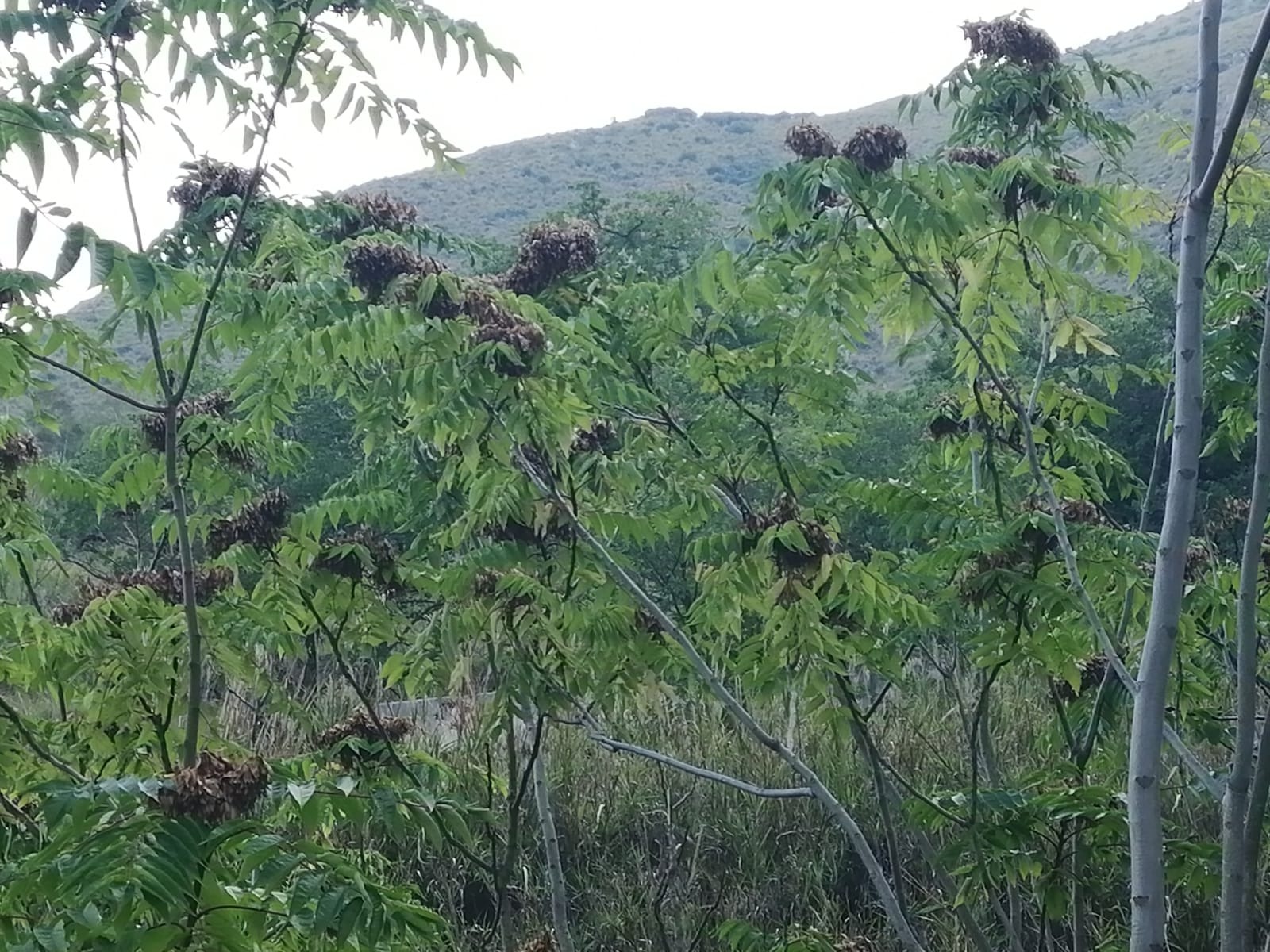
Food preservatives: Microorganism, fungus, yeasts, virus, pollens, and chemicals are the biggest threat to food’s shelf-life in home as well as in food markets. Biochemically, proanthocyanidins and gallic acid are flavonoid monomers by nature and are major food constituents isolated from sumac seed and stems and leaves. hydrolysable tannins are potential antiviral agents that used can be used in the food preservation to make food items more safe and preserve for prolonged period by using natural compounds.
Food packaging: Active packaging is a better option which protects the food material, simultaneously it also acts as an additive to improve a ntioxidant properties of foods and absorb unwanted substances such as heavy-metals or exhausted oils and to protect against oxidation, UV, and moisture-based degradation.Recently, a packaging material was prepared by introducing tannins into cellulose nanofibrils in a single step process of mechanical fibrillation
Tannins are the secondary metabolites present in a substantial amount in plant-based food products. Due to their positive effects on the food as antibacterial and antioxidants, they are the major constituent of foods. Tannins are used as food preservatives, packaging materials, and food enhancements which owe to their protective nature.
Medicine and pharmaceuticals
Role of tannins in animal husbandryBacterial and fungal infection is also a threat to the poultry, livestock, and animal husbandry which is responsible for high level of mortality. To overcome this problem, several antibiotics have been used for decades that proved to be very effective; consequently, it improves animal and poultry production in the world. But it is well known that extreme application of antibiotics promotes the antibioticresistant among the microorganisms in cattle. Therefore, in-feed antibiotics and plant-based antibacterial agents, such as phytogenic compounds (e.g., tannin), have been discovered and promoted, which have great promises in future. In recent past, great attention has been given to antibacterial activities of tannins and their effects as dietary source in animal [37]. It has been concluded that tannins with saponins and essential oils can be used as in-feed antibiotics against bacteria, fungi, and yeasts. Because, tannins are toxic to bacteria and potentially inhibit growth of Salmonella, Shigella, Staphylococcus, Pseudomonas, and Helicobacter pylori, but it would be noteworthy that they show species specific antibacterial activity.
Other industrial applications: In addition to above mentioned applications, tannins are also used in diverse types of industries, such as paper industry where high pressure mimosa tannin impregnated alpha cellulose paper is prepared. This impregnated paper offer more abrasive resistance, adhesion properties, water vapor resistance, and staining properties. Recently, natural tannin-based foam without any formaldehyde is prepared that used as acoustic absorbers, metal ion adsorption, panels crash protection,packaging, etc., but low mechanical strength of tannin foams is major impediment in its further applications. Beverage industry is well known for tannins applications particularly, in case of the wine making. Like leather industry, wine making is also very old industry since historic time. Tannins are used in wine to provide color formations, antioxidants, aroma, proteins precipitations, and flavor development. The source of tannins in the wine is grapes skin, seeds, and addition of oak flakes which add market values to wine