
Sumac Tannic Acid
RHUS CORIARIA L. – RHUS GLABRA
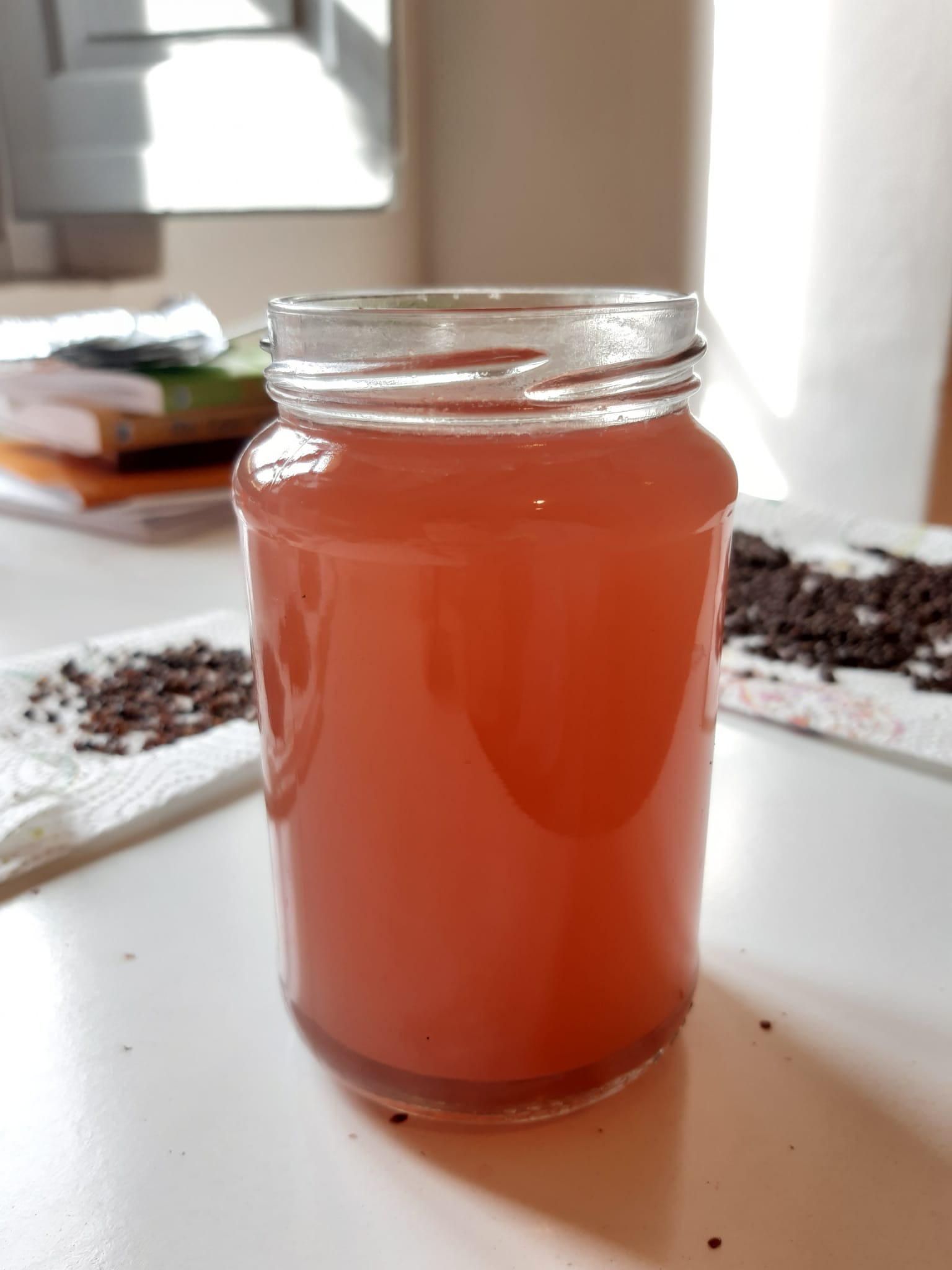
Preparation of Sumac seeds extract
About 30 grams of Rhus coriaria was shaken with three subsequent mixtures of 95% ethanol and water(1:1 v/v) with the ratio of 1:10 at 80 oC for 2 hours. Insoluble materials which contained very little tannin were removed by filtration with a nylon filter and centrifuged at 3500 rpm for 15 minutes. The ethanol in the solution was removed by a rotary evaporator at 40°C. The remaining tannin was mixed with an equal volume of 1 mM acetate buffer at pH 4, and the remaining aqueous phase was extracted twice with an equal volume of ethyl acetate. The aqueous phase was evaporated to dryness by the rotary evaporator, re-dissolved in a minimum volume of 80:20 ethanol water (v/v).
Identification of TanninS
General tests for tannin acid, standard hydrolysable (tannic acid, Merck) and standard condensed tannins (+)- catechin, Sigma-Aldrich) were assayed for tanning Properties by their abilities to interact with ferric chloride, gelatin, lead acetate and bromine water. Each 2 ml of the solution was mixed with 2-3 drop wises of 1% ferric chloride (Merck), 1 ml of 1% lead acetate (Merck).
Purification of tannin from Rhus coriaria
A purified of the residue was performed using open glass column (2.5 X 30 cm) filled with Sephadex LH-20 (Pharmacia Fine Chemicals), The residue was dissolved in absolute ethanol at the flow rate of 0.8 ml/min. and monitored at 280nm. The gel was then washed with 50:50 acetone-water (v/v) at the flow rate of 0.9 ml/min and monitored the absorbance at 540 nm. The 50% acetone fraction, which contained the tannin, was evaporated by the rotary evaporator to remove acetone, and the aqueous solution was extracted three times with an equal volume of liquefied phenol. The aqueous phase was washed with a small amount of diethyl ether to remove phenol, evaporated to dryness, and re-dissolved in a minimum volume of absolute ethanol

4.95
Client Reviews